Are you torn between choosing a flat pack or rigid built kitchen? This comprehensive guide breaks down the pros and cons of both options, helping you make an informed decision.
Selecting the right kitchen for your home is a decision that impacts both your daily life and the value of your property. One of the primary dilemmas homeowners face is choosing between flat pack and rigid built kitchens. In this article, we will delve into the pros and cons of each option, providing you with valuable insights to help you decide which one suits your needs and preferences.
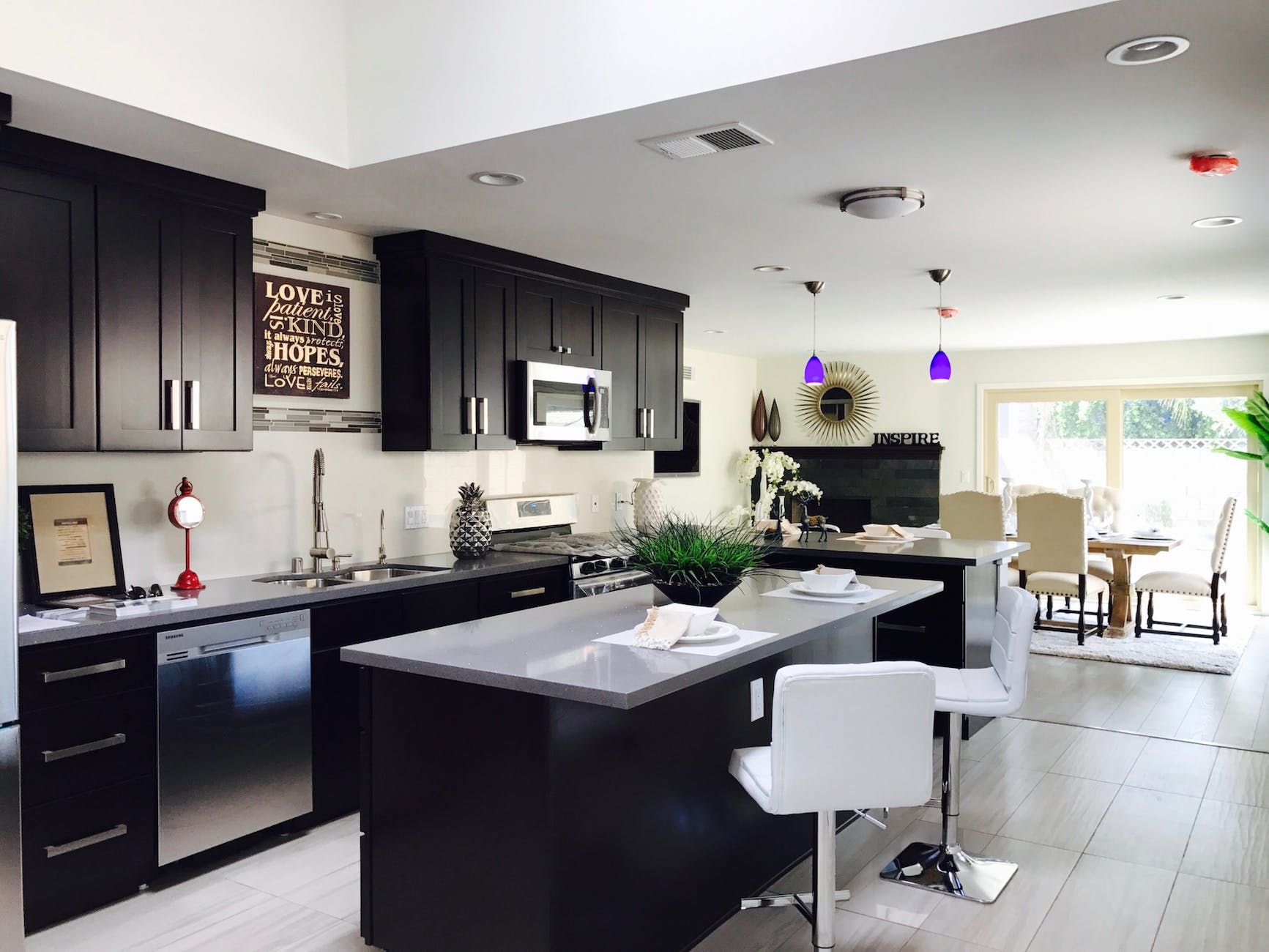
Flat Pack Vs Rigid Built Kitchens
When it comes to kitchen design and construction, two popular options stand out: flat pack and rigid built kitchens. Let’s take a closer look at the advantages and disadvantages of each.
Flat Pack Kitchens
Flat pack kitchens, also known as DIY kitchens, are pre-manufactured units that you assemble yourself or with the help of a professional. These are a popular choice due to their affordability and variety.
Affordable and Budget-Friendly
Flat pack kitchens are cost-effective, making them an attractive choice for homeowners on a budget. The modular design and standardized components often result in lower overall costs.
Customizable and Versatile
Despite being pre-made, flat pack kitchens offer a surprising degree of customization. You can choose from a wide range of cabinet sizes, colors, and styles to create a kitchen that suits your tastes.
DIY Installation
One of the key advantages of flat pack kitchens is the DIY installation. You can save on labor costs by assembling and installing it yourself. However, professional installation is also an option for those who prefer it.
Faster Delivery
Since flat pack kitchens are pre-fabricated, they are readily available for quick delivery. This can be a significant advantage if you’re looking to renovate your kitchen promptly.
Potential Quality Variations
While flat pack kitchens are affordable, the quality can vary depending on the manufacturer. It’s essential to research and choose a reputable supplier to ensure durability.
Space-Saving
Flatpack kitchens are designed with space efficiency in mind, making them suitable for smaller homes or apartments. If you live in an appartment or block of flats, storage is a consideration and trasporting large items up staircases or lifts.
Assembly Skills Required
Assembling a flat pack kitchen may be challenging for those without DIY skills. You’ll need to follow instructions carefully and have basic tools on hand.
Rigid Built Kitchens
Rigid built kitchens, also known as bespoke kitchens, are custom-made and professionally installed. These kitchens offer a high level of quality and personalization.
Exceptional Quality
Rigid built kitchens are known for their superior quality. They are meticulously crafted to ensure durability and longevity, making them an excellent long-term investment.
Tailored to Your Space
With rigid built kitchens, every element is tailored to fit your kitchen space perfectly. This allows for efficient use of space and customization to your preferences.
Professional Installation
These kitchens are professionally installed, guaranteeing a high-quality finish. Experienced installers ensure that every component is in place, making your kitchen look seamless.
Unique Design
Rigid built kitchens allow for unique and innovative designs. You can work closely with designers to create a kitchen that perfectly matches your vision.
Higher Cost
The quality and customization come at a price. Rigid built kitchens are more expensive than flat pack kitchens, which can be a drawback for those on a tight budget.
Longer Lead Time
Since rigid built kitchens are custom-made, they typically require a longer lead time for design, manufacturing, and installation.
FAQ
Q: Are flat pack kitchens suitable for small spaces? A: Yes, flat pack kitchens come in various sizes, making them a great choice for small kitchens.
Q: Can I upgrade the quality of materials in a flat pack kitchen? A: Some suppliers offer premium material options, allowing you to enhance the quality of your flat pack kitchen.
Q: Are rigid built kitchens more durable than flat pack kitchens? A: Yes, rigid built kitchens are typically more durable due to their high-quality construction.
Q: Can I change the layout of a rigid built kitchen in the future? A: Rigid built kitchens are less flexible in terms of layout changes compared to flat pack kitchens.
Q: Do rigid built kitchens come with warranties? A: Many manufacturers of rigid built kitchens offer warranties to guarantee the quality of their products.
Q: Can I install a flat pack kitchen by myself? A: While it’s possible to install a flat pack kitchen independently, it’s advisable to seek professional assistance for the best results.

Flat Pack Kitchens: Pros and Cons
Pros
- Cost-Effective Solution: Flat pack kitchens are renowned for their budget-friendly nature. They come in pre-cut pieces, making them affordable and ideal for those with cost constraints.
- DIY-Friendly: If you enjoy a bit of DIY, flat pack kitchens offer a satisfying challenge. Assembling the components yourself can be a rewarding experience.
- Space-Saving: These kitchens are designed with space efficiency in mind, making them suitable for smaller homes or apartments.
Cons
- Limited Customization: Flat pack kitchens may not offer the same level of customisation as their rigid counterparts. Your choices are often confined to pre-set designs.
- Durability: While cost-effective, flat pack kitchens may not be as durable as rigid built ones. The materials might not stand the test of time in a high-traffic kitchen.
- Installation Complexity: Assembling flat pack kitchens can be time-consuming and might require a higher level of DIY skills, which could lead to installation errors.
Rigid Built Kitchens: Pros and Cons
Pros
- Tailored to Perfection: Rigid built kitchens are known for their precision and customisation. They can be designed to fit your space and preferences precisely.
- Longevity: The materials used in rigid built kitchens are typically of higher quality, ensuring durability and longevity. You’re making an investment in a kitchen that will last.
- Professional Installation: Unlike flat packs, rigid built kitchens are usually installed by professionals, ensuring a flawless outcome.
Cons
- Higher Cost: The superior quality and customisation come at a price. Rigid built kitchens are more expensive than flat pack alternatives.
- Limited DIY Involvement: If you relish DIY projects, rigid built kitchens might not provide the same level of satisfaction, as professionals handle most of the work.
- Space Requirements: Rigid built kitchens may not be the best choice for smaller spaces, as their design can be less space-efficient.

Conclusion
In the debate between flat pack and rigid built kitchens, there is no one-size-fits-all answer. Your choice should depend on your budget, personal preferences, and the intended use of the kitchen. Both options have their strengths and weaknesses, and the decision ultimately comes down to what aligns best with your needs and lifestyle.
Remember that the quality and appearance of your kitchen can significantly impact your daily life and the value of your home, so take your time, do thorough research, and consider consulting with a professional to make the best decision for your specific situation.

 Bathrooms - Kitchens